
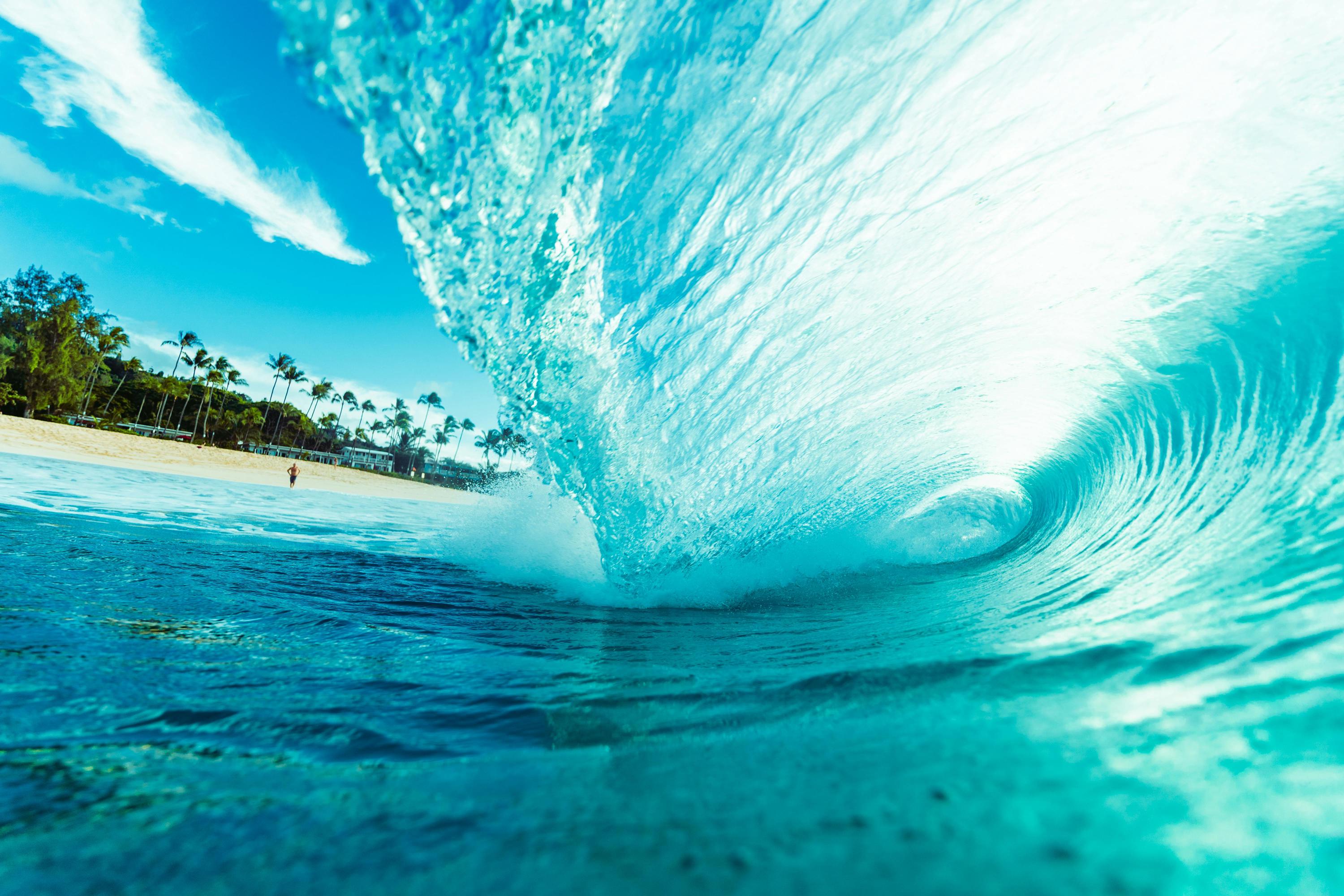
There’s nothing quite like the feeling of gliding down the face of a clean, glassy wave. But for every perfect session, there are hours spent checking forecasts, deciphering charts, and hoping the elements align.
In Queensland, reading a surf report is a unique art. Between the southern points of the Great Barrier Reef, the notorious points, and the powerful beach breaks, understanding the local forecast is your key to scoring unforgettable waves.
This guide will break down the essential elements of a Queensland surf report, translating the jargon into plain English, so you can plan your next dawn patrol with confidence.
Why Bother Reading the Report?
For the uninitiated, a surf report might look like a confusing mess of numbers and arrows. But mastering it means:
- Saving Time: No more fruitless drives to a flat or blown-out beach.
- Finding the Right Wave: Matching conditions to your skill level and board.
- Staying Safe: Identifying dangerous currents, swell sizes, or wind changes before you paddle out.
Decoding the Key Elements of a Queensland Surf Report
Here’s what to look for, in order of importance:
1. The SwellThis is the engine of the waves. A surf report will list several swell components.
- Swell Height: The average height of the biggest one-third of the waves in the swell group (measured in metres). Queensland Tip: On the Gold Coast or Sunshine Coast, a 2-3ft report often means fun, manageable waves. Anything 4-6ft+ is for experienced surfers.
- Swell Period (or Interval): This is arguably more important than height. It’s the time (in seconds) between successive wave crests.
- 6-8 seconds: A local wind swell. Often shorter, weaker, and choppier.
- 10-14 seconds: A medium-period groundswell. More powerful, organised, and fun.
- 15+ seconds: A long-period groundswell from a distant storm (often from the Tasman Sea or Southern Ocean). This is where Queensland’s points and reefs truly come alive. Waves travel faster, pack more energy, and “jack up” more as they hit the continental shelf. Handle with respect—it will be bigger and more powerful than the reported height suggests.
- Swell Direction: Where the swell is coming from. This is crucial for finding a break that “works.”
- Gold Coast & Northern NSW: Loves an Easterly (E) to Southeasterly (SE) swell. A Southerly (S) swell lights up southern points but can be messy.
- Sunshine Coast (Noosa, etc.): The points are legendary on a Southeasterly (SE) to Northeasterly (NE) swell.
- North Queensland (e.g., Townsville, Magnetic Island): Needs a strong Easterly (E) swell to wrap into bays and overcome the reef shadow of the Great Barrier Reef.
Wind can make or break the waves in minutes. It’s reported as direction (where it’s coming FROM) and speed.
- Offshore Wind: Wind blowing from the land toward the ocean. This holds up the face of the wave, creating clean, groomed, “glassy” conditions. Dawn patrol is often magic in QLD due to light offshore winds.
- Onshore Wind: Wind blowing from the ocean toward the land. This pushes against the wave face, making it mushy, choppy, and messy. Strong onshores = poor conditions.
- Cross-Shore Wind: Blows parallel to the shoreline. Can be manageable but may cause bump on the wave face.
- Wind Speed: 0-10 km/h is ideal. 10-15 km/h is usually manageable, especially if offshore. 20+ km/h will significantly affect surface quality.
Tides rule many Queensland breaks. The tide height and whether it’s rising (incoming) or falling (outgoing) are critical.
- Beach Breaks (e.g., Kirra, Burleigh, many Sunshine Coast spots): Often work best on a medium to low tide, which helps the waves “break more cleanly” and can create barrels. A very high tide can swamp them out.
- Point Breaks & Reefs (e.g., Noosa Heads, Snapper Rocks, Straddie): These are highly tide-sensitive. Some need a pushing (rising) tide to start working, while others get too shallow on a low tide. Local knowledge is key here—check the report’s “Best Tide” notes.
- General Rule: In Queensland, a big incoming tide can bring in cleaner water but also stronger currents.
Putting It All Together: A Queensland Case Study
Let’s say the report for the Gold Coast tomorrow reads:
- Swell: 3-4ft @ 14 seconds from the SE
- Wind: Light WNW at 5-10 km/h in the morning, shifting NE 15-20 km/h in the afternoon.
- Tide: Low at 6:30 am, High at 12:45 pm.
Your Analysis:
- Great Swell: A 3-4ft, 14-second SE groundswell is perfect for the Gold Coast points and reefs. It will be powerful and well-organized.
- Perfect Wind: A light Westerly/Northwesterly (WNW) in the morning is offshore for most Gold Coast beaches. Conclusion: Dawn patrol will be epic.
- Tide Strategy: With a low tide at dawn, the points and beach breaks will likely be working well, maybe even barreling. As the tide fills in (rises) through the morning, the waves may get even better before the tide gets too high. The onshore NE wind change in the afternoon will ruin the surface conditions, so surf early.
Your Plan: Set the alarm for a pre-dawn start. Check the southern points and reefs (Snapper, Kirra, Burleigh) on that rising tide with offshore winds. You’re in for a potentially incredible session.
Essential Queensland Resources
- Surf Forecast Sites: Use local-focused sites like Surfline, Swellnet, or Magicseaweed for detailed spot forecasts and live cams.
- Bureau of Meteorology (BOM): The definitive source for wind, weather, and marine warnings. Always check for hazards.
- Local Surf Schools & Shops: Nothing beats local knowledge. Pop into a surf shop in Coolangatta, Noosa, or Burleigh and ask for the daily rundown.
Final Takeaway
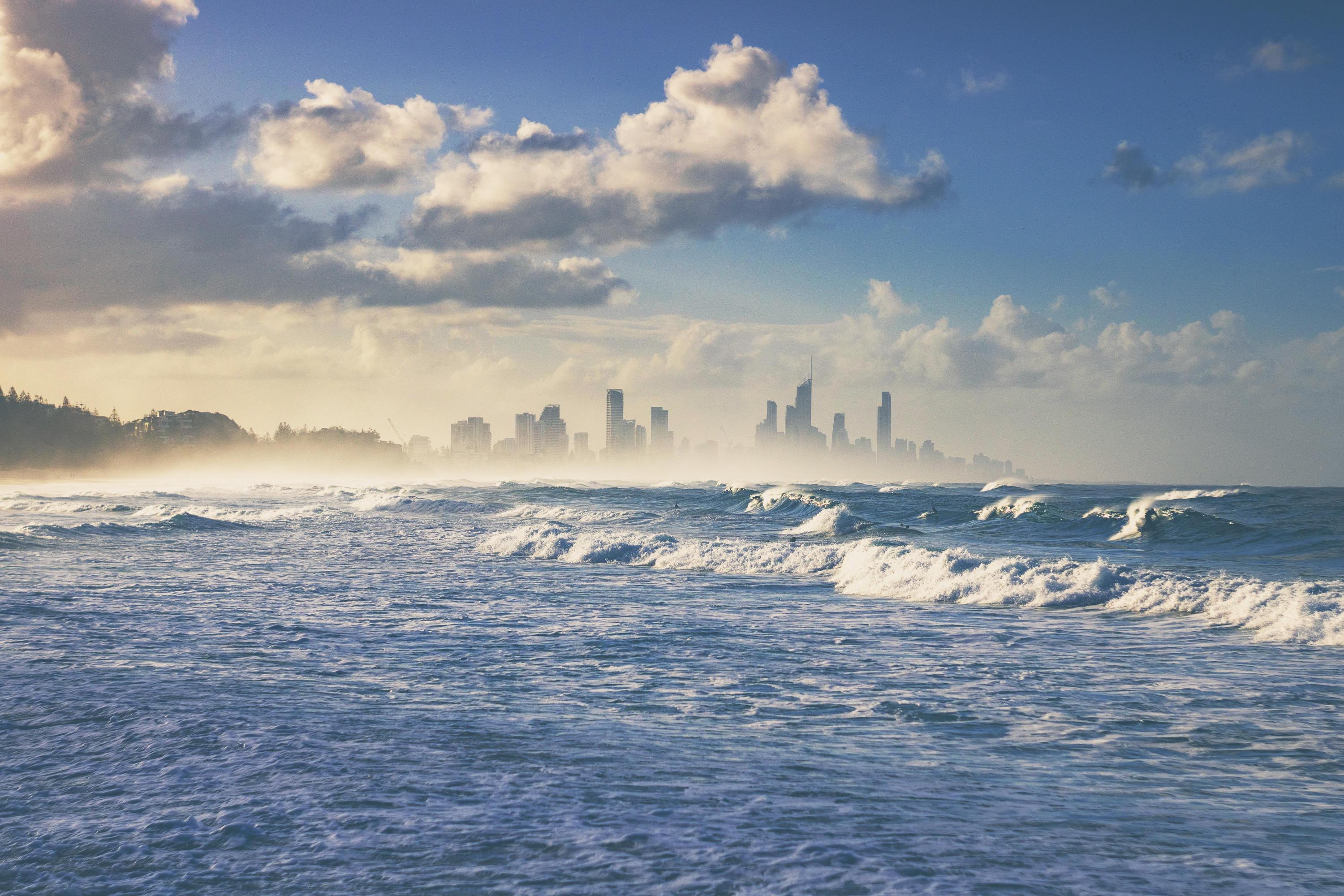
Reading a surf report is about connecting the dots between swell, wind, and tide. In Queensland, where conditions vary dramatically from the Points of the Gold Coast to the protected bays of the North, this knowledge is power. Spend time studying the reports, comparing them to what you see in the water, and talking to locals. Soon, you’ll be forecasting like a pro, maximizing your time in the warm, azure waters of the Sunshine State.
Ready for your session? Gear up with apparel built for the salt, sun, and unpredictable QLD elements. Explore our collection at Grizzly Bear Surf – designed for surfers who live for the hunt for the perfect wave.
Got a favourite Queensland surf tip or a story about a perfect forecast? Share it with our community using #GrizzlyBearVibes.