
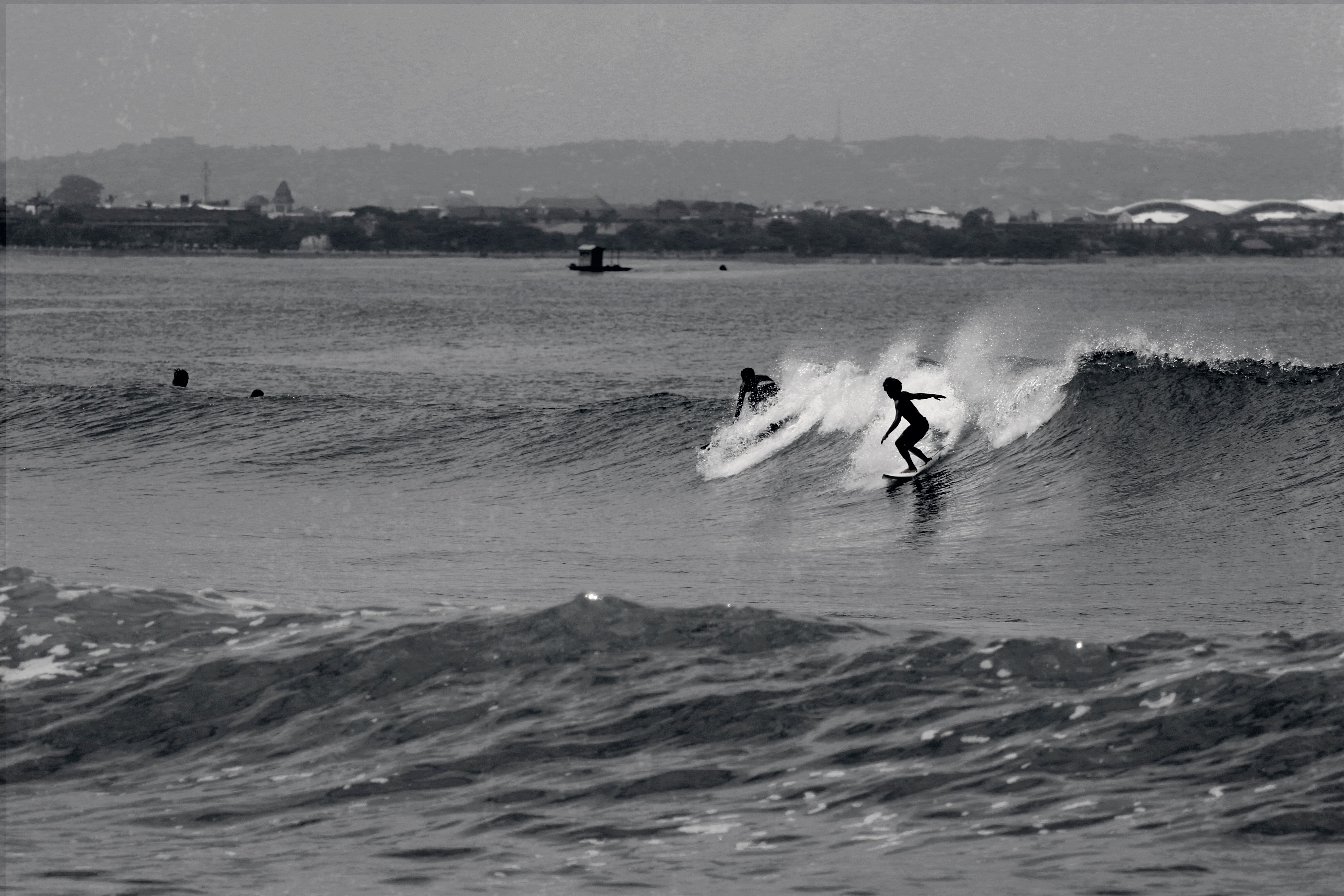
How Surf Culture Changed From the 70s to Today
There’s something timeless about surfing.
The feeling of paddling into a clean wave at sunrise, salt drying on your skin after a session, and the quiet satisfaction of spending a day at the beach hasn't changed in generations. But everything around surfing has.
From the carefree days of the 1970s to today's world of high-performance equipment, social media, and global surf brands, surf culture has evolved dramatically. While some things have changed for the better, others have left many surfers longing for the slower, simpler days. Let's take a ride through the decades and see how surf culture has transformed—and why its heart remains the same.
The 1970s: Surfing Was a Lifestyle
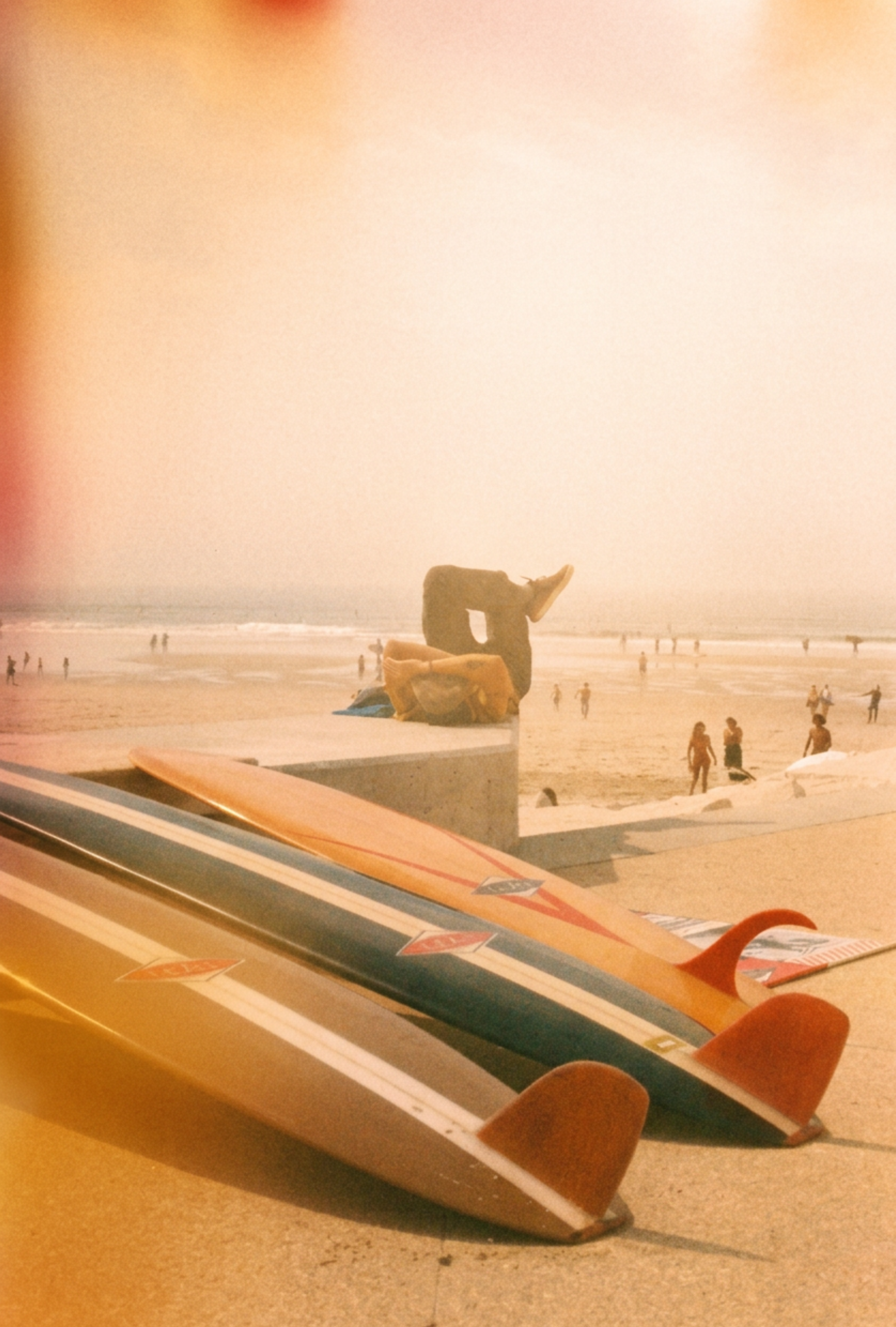
The 1970s are often remembered as surfing's golden era. Surfing wasn't just a hobby—it was an identity. Life revolved around the tides, the swell forecast (or simply watching the horizon), road trips in Kombis and old panel vans, camping on the beach, and chasing uncrowded point breaks.
Fashion reflected the relaxed lifestyle. Bright boardshorts, faded tees, terry towelling polos, cut-off denim shorts, long sun-bleached hair, and bare feet were the uniform of the day. Everything felt authentic because it wasn't trying to be fashionable—it simply was. Surfboards were longer, wider and slower than today's high-performance designs, encouraging stylish lines rather than aggressive manoeuvres. Photography lived in magazines, memories were shared around campfires, and nobody worried about getting the perfect photo for social media.
The 1980s: Bigger, Brighter and More Competitive
The 1980s brought colour, energy and performance. Surfing exploded into mainstream culture. Professional surfing grew rapidly, surf competitions attracted huge crowds, and brands like Quiksilver, Billabong and Rip Curl became household names. Boards became shorter and more responsive. Surfers pushed progression with bigger turns, deeper tubes and aerial manoeuvres that were almost unimaginable a decade earlier. The fashion became louder too. Neon colours, geometric patterns, oversized logos and bold graphics reflected the optimism and energy of the decade. For many Australians, this was the era that inspired a lifelong love of surfing.
The 1990s: Surf Brands Went Global
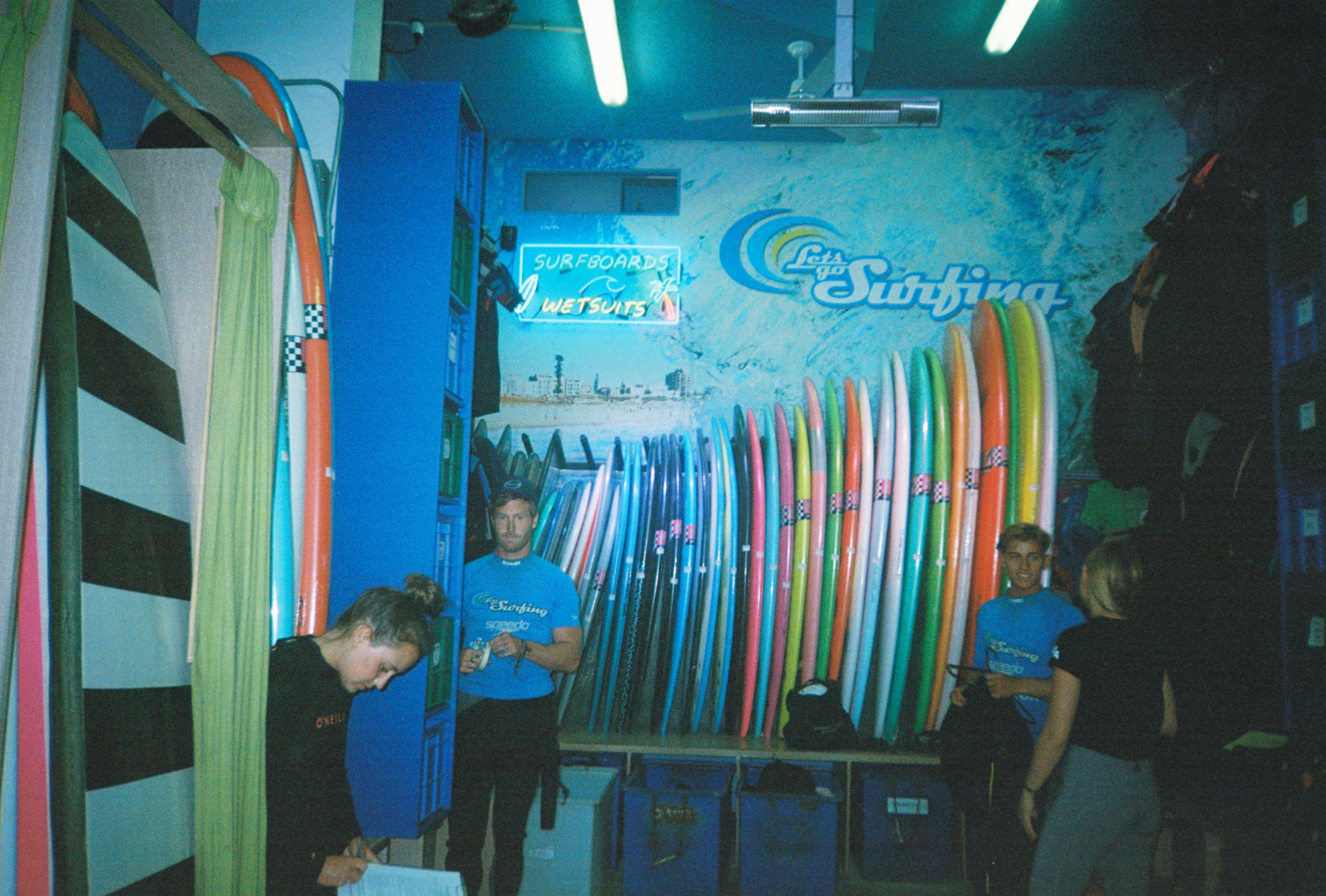
By the 1990s, surfing had become a global industry. The biggest surf brands expanded around the world, surf magazines flourished, and videos became essential viewing for every surfer. Trips to Indonesia, Hawaii, Fiji and the Maldives became dream destinations rather than distant fantasies. Technology also improved. Surfboard construction, wetsuits, leg ropes and fins all became lighter, stronger and more reliable, making surfing more accessible than ever before. While the industry grew, many surfers still maintained the laid-back attitude that defined earlier decades. The beach remained a place to disconnect.
The 2000s: The Digital Wave
The internet changed everything. Suddenly, surfers could check wave forecasts days in advance, view live beach cameras, and connect with other surfers across the globe. Digital photography replaced film. Surf videos became available online. Communities expanded beyond local beaches. While technology made planning easier, it also meant secret surf spots became less secret. Word travelled fast. Sometimes a little too fast.
Today: More Connected Than Ever
Modern surfing is more diverse than it's ever been. Longboarders, shortboarders, foilers, SUP surfers, twin-fin enthusiasts and retro board riders all share the lineup. Women continue to inspire a new generation of surfers, junior talent is progressing faster than ever, and surfing's inclusion in the Olympic Games introduced the sport to millions of new fans.
Technology continues to evolve.
High-performance boards, eco-friendly materials, GPS surf watches, wave pools and AI-powered surf forecasts have transformed how people experience surfing. Social media has also become a huge part of surf culture. Every session has the potential to become content. For some, that's inspiring. For others, it can take attention away from simply enjoying the moment. What Hasn't Changed Despite all the changes, the soul of surfing remains remarkably familiar. Surfers still wake before sunrise to chase clean conditions. Friends still celebrate each other's best waves. Families still spend weekends at the beach.
The smell of wax, sunscreen and salty air still signals the start of another adventure. And no matter what board you ride or what logo is on your shirt, everyone knows the feeling of sitting in the lineup waiting for the next set. That's something no amount of technology can replace.
The Rise of Independent Surf Brands
One of the most exciting changes in recent years has been the return of independent surf brands. Rather than chasing fast fashion or oversized logos, many surfers are supporting smaller brands that focus on quality, authenticity and genuine surf culture.
These brands often draw inspiration from the classic eras of surfing—combining timeless artwork, comfortable apparel and a deep appreciation for life by the ocean. It's a reminder that surfing has never really been about trends. It's about belonging to a community that values freedom, adventure and the simple joy of being in the water.

Looking Ahead
Surf culture will continue to evolve. New technology will emerge. Boards will change. Fashion will come and go. But as long as there are waves rolling onto the shoreline, there will always be surfers paddling out before dawn, chasing that feeling that first drew them to the ocean. Because surfing isn't measured by likes, followers or expensive equipment. It's measured by sunrise sessions, shared laughs in the lineup, sandy feet, salty hair and memories that last a lifetime. Whether you grew up in the 70s, discovered surfing in the 90s, or only caught your first wave yesterday, you're part of a story that stretches across generations.
And that's what makes surf culture so special.
At Grizzly Bear Surf, we celebrate the timeless spirit of surfing—where vintage style, endless waves and a love for the ocean never go out of fashion.